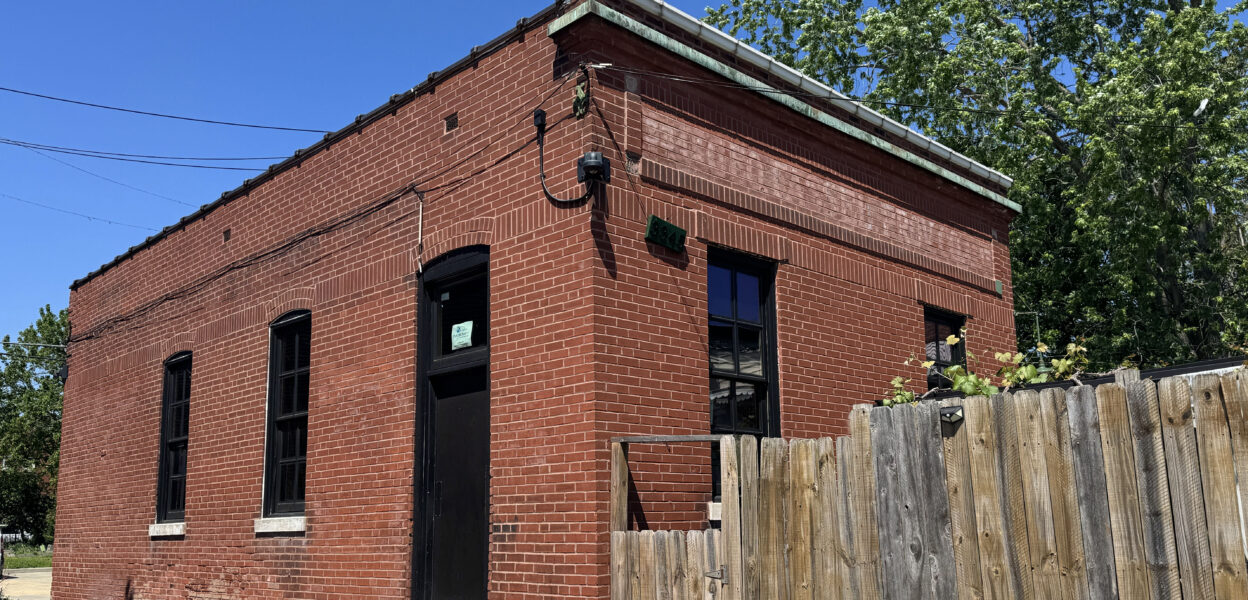
Cities around the US are easing regulations for businesses in residential neighborhoods. With last September’s accessory dwelling unit ordinance as precedent, should St. Louis be next?
Policymaker Summary:
Cities like Austin, TX and Raleigh, NC are permitting commercial activity in their residential neighborhoods to encourage innovation and entrepreneurship, particularly in working-class and immigrant communities. St. Louis could join a short list of cities to do this by amending its existing ADU ordinance (#72036), updating the use permissions for N-A, N-B, and N-C in the ZOUP Draft Zoning Districts, or proposing new legislation.
On September 29 2025, Ordinance 72036 was passed in the City of St. Louis, permitting accessory dwelling units (ADUs) in residential zones throughout the city to provide additional housing opportunities. The primary basis was that the “City of St. Louis has a rich history of Accessory Dwelling Units, typically known as carriage homes and alley houses.”
While many of these structures served solely residential purposes in the past, a surprising number of them were build for commercial purposes– such as the former steam and hot water heating business in Benton Park West shown below.
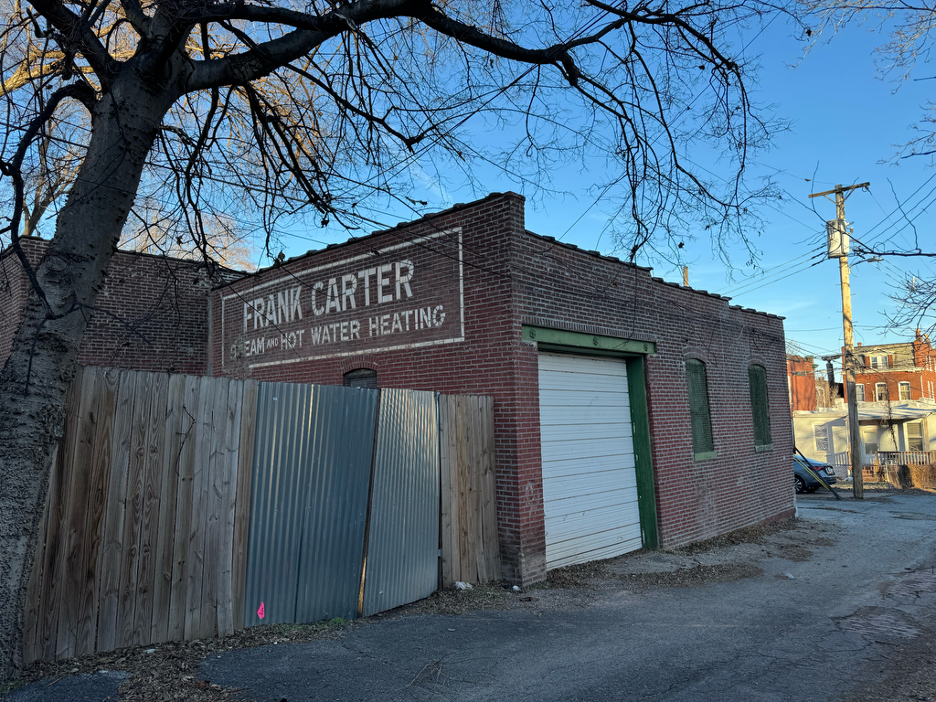
In the early 1900s, businesses were often located on the back side or “rear” of parcels, denoted in the address by “r” or “rear” like 3238 r California Ave for the former Frank Carter Steam and Hot Water Heating. This denotion is frequently listed in the 1914 business directory (Image 2).
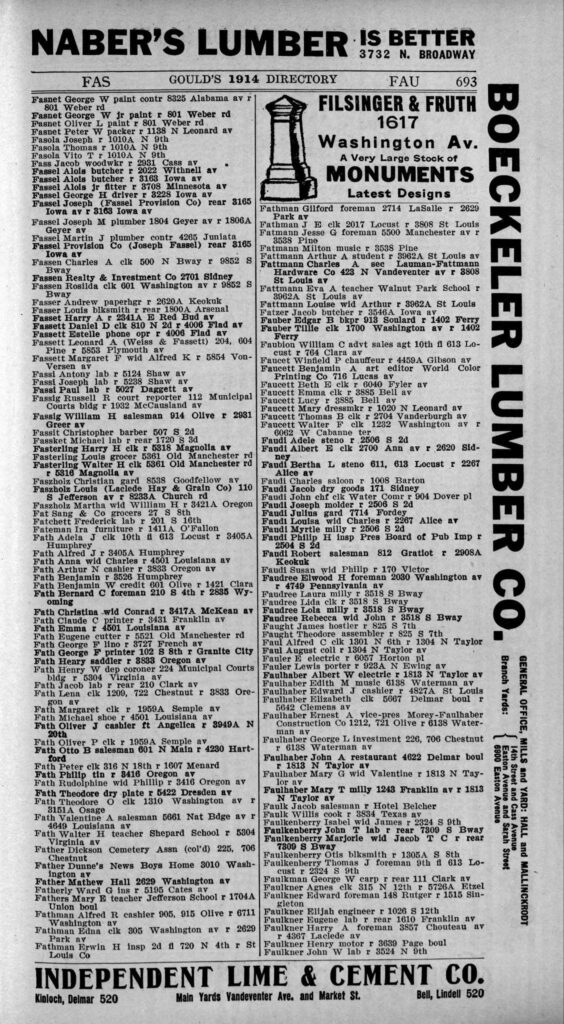
Image 2: Gould’s St. Louis [Business] Directory for 1914.
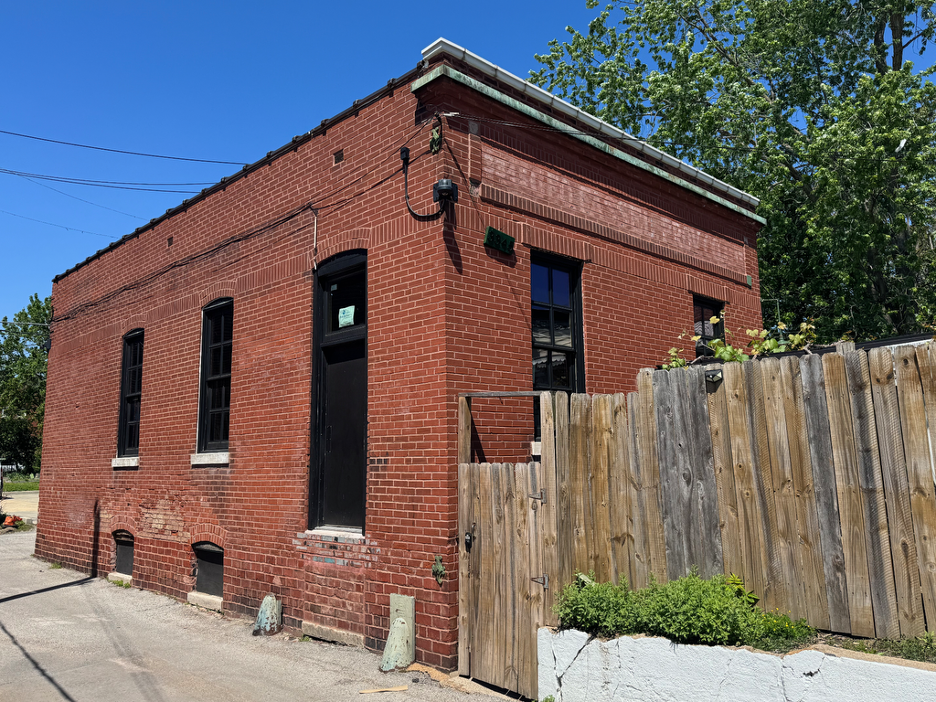
There are also quite a few alley structures facing commercial corridors throughout the city. These structures, located directly along the sidewalk, would be particularly good candidates for ACUs and integrate well into the city’s fabric.
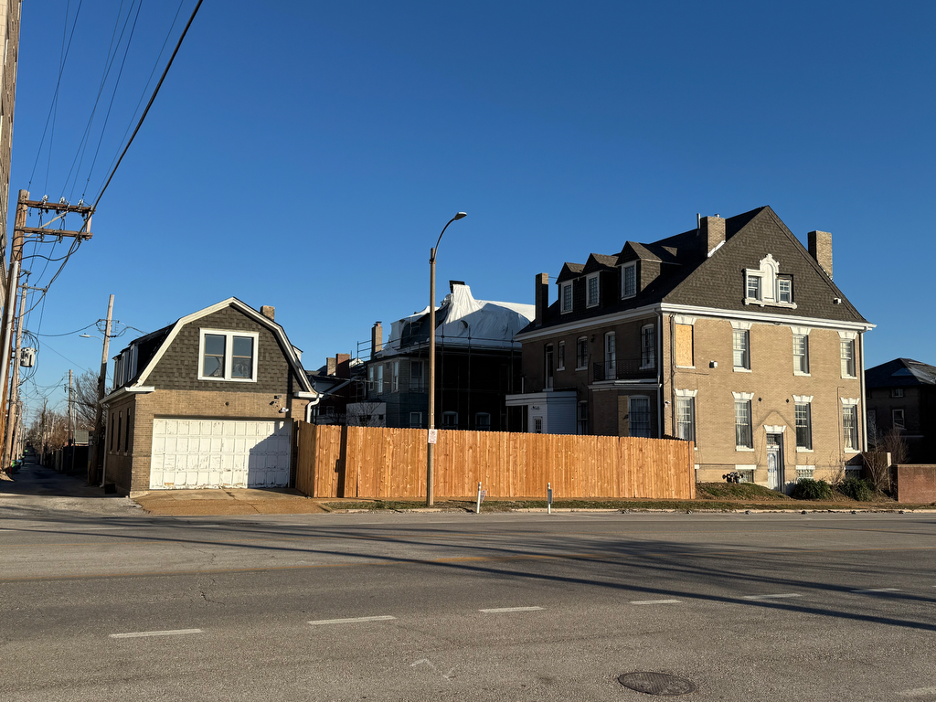
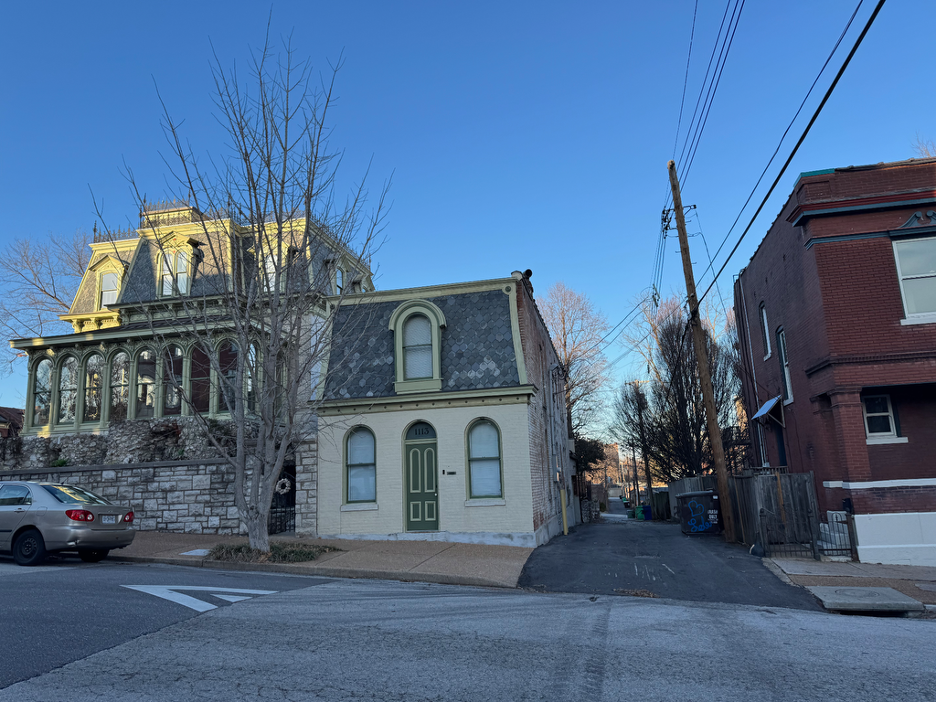
While home occupations as defined by the city’s code of ordinances are allowed under Ordinance 72036, their use provisions are limited: they must not “regularly and routinely accept customers, clients, or the general public into the home,” “advertise, solicit or invite customers, clients, or the general public to the home,” “regularly and routinely employ anyone who is not also a resident of the home to perform work inside the home,” or “display a sign,” among other limitations (§ 26.80.060: Home occupations.).
Such limitations effectively prevent foot traffic-generating businesses from occurring in home occupations-–a feature by design rather than by accident—even with St. Louis desperately needing foot traffic and business revenue. Austin, Texas recently realized the opportunity cost of such limitations and passed legislation to allow accessory commercial units (ACUs) up to 200 ft2throughout their residential zones. Smaller commercial spaces like such could encourage small low-impact local businesses without generating excess car traffic or parking needs.
In a period where St. Louis struggles with business retention and innovation/entrepreneurship receive significant news coverage, particularly with hubs like Cortex, WashU, SLU, Downtown North, etc., the city’s policies should continue to support the needs of those that have the most to gain: working-class and immigrant communities.
Smaller, low-cost spaces like ACUs lower the barrier-to-entry for prospective business owners in these communities and would increase innovation and entrepreneurship throughout the city. In 2026, St. Louis must maximize recovery opportunities like the zoning upgrade (ZOUP), where bold, progressive solutions likes ACUs cannot be avoided if we’re to keep pace with peer cities like Austin and Raleigh.