Mayor Cara Spencer announced that the City of St. Louis will begin exercising eminent domain on 89 properties owned by Paul McKee’s NorthSide Regeneration. The announcement was made on Thursday, January 15, alongside St. Louis Development Corporation Executive Director Otis Williams and Alderman Rasheed Aldridge.
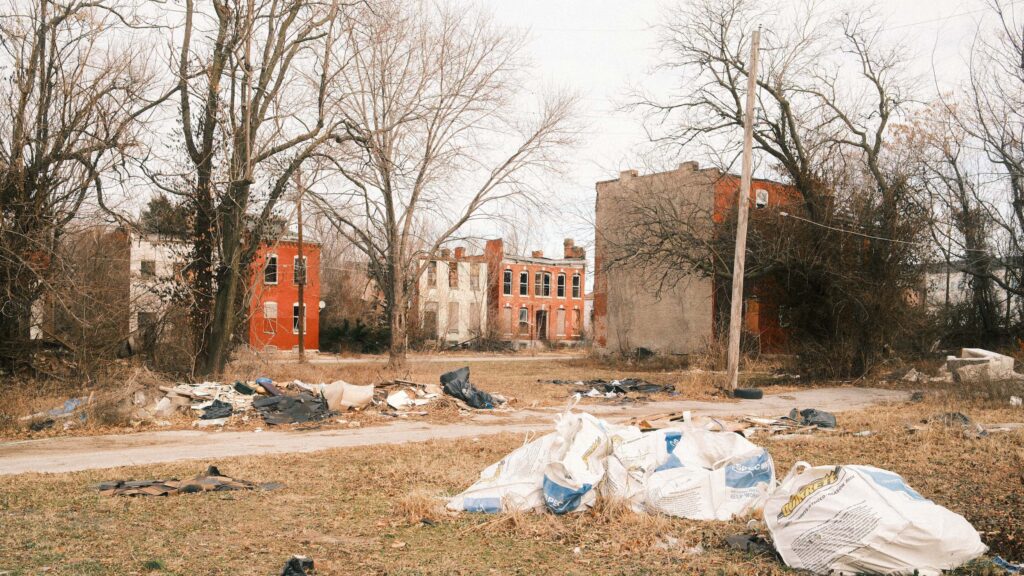
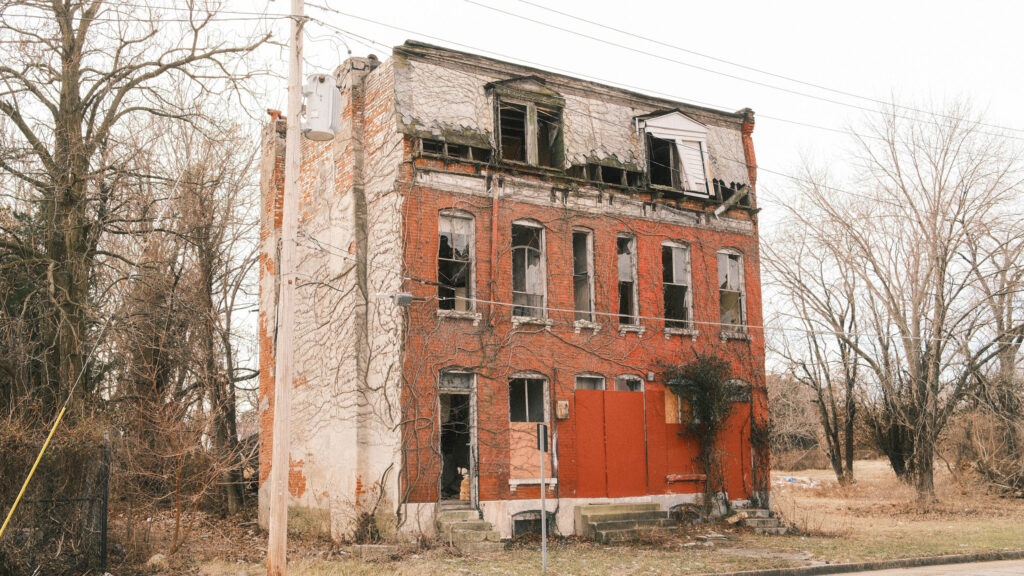
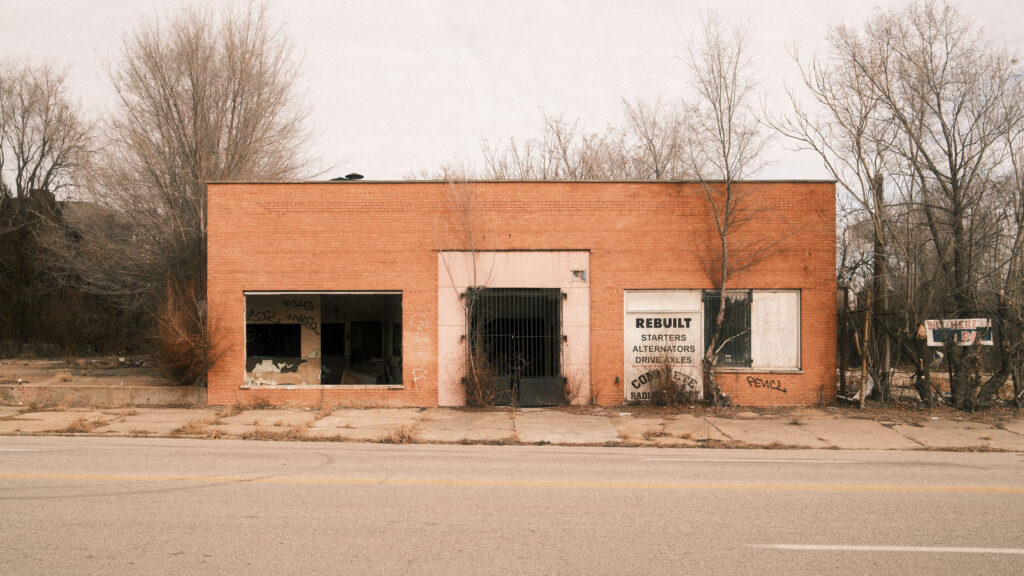
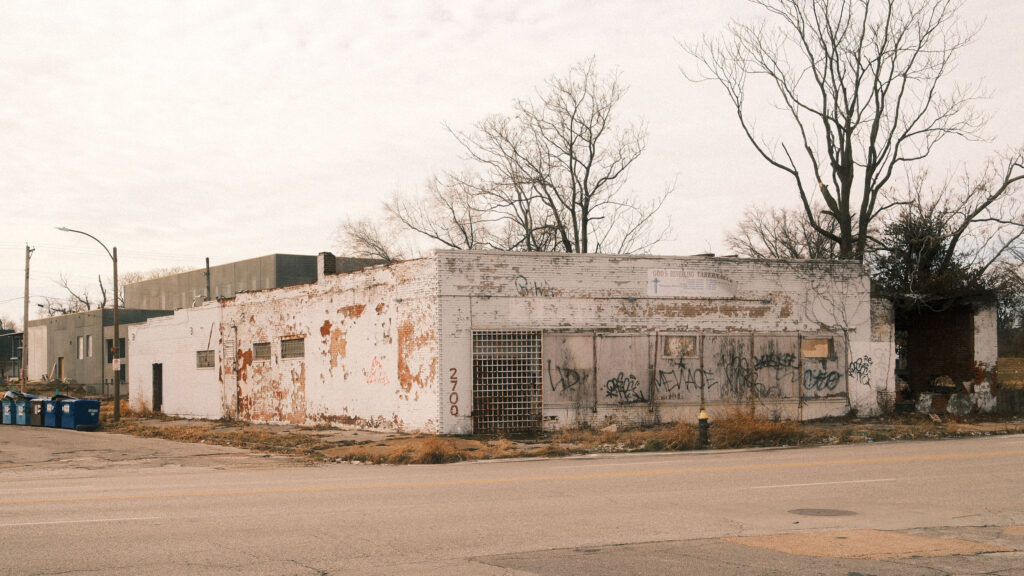
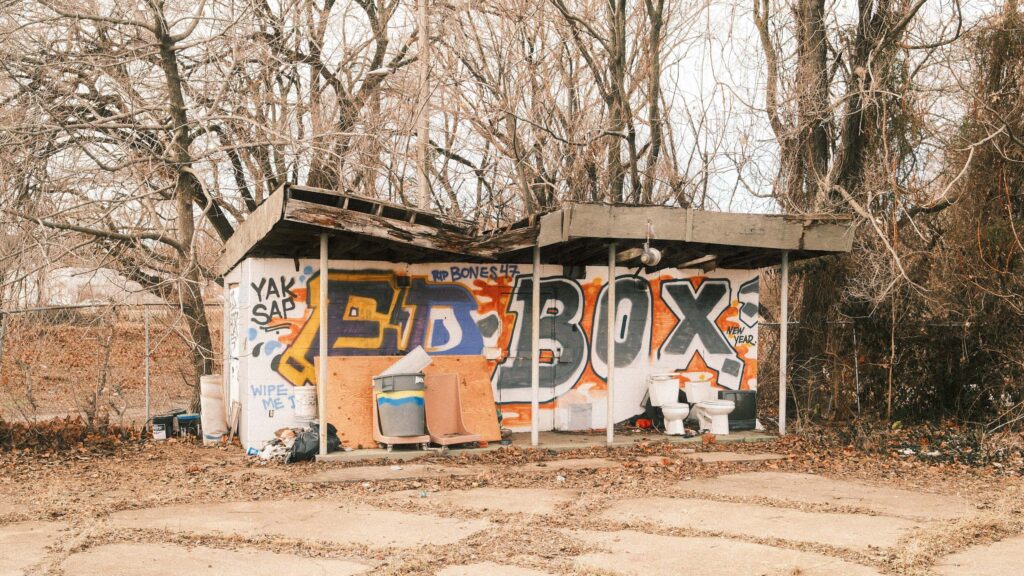
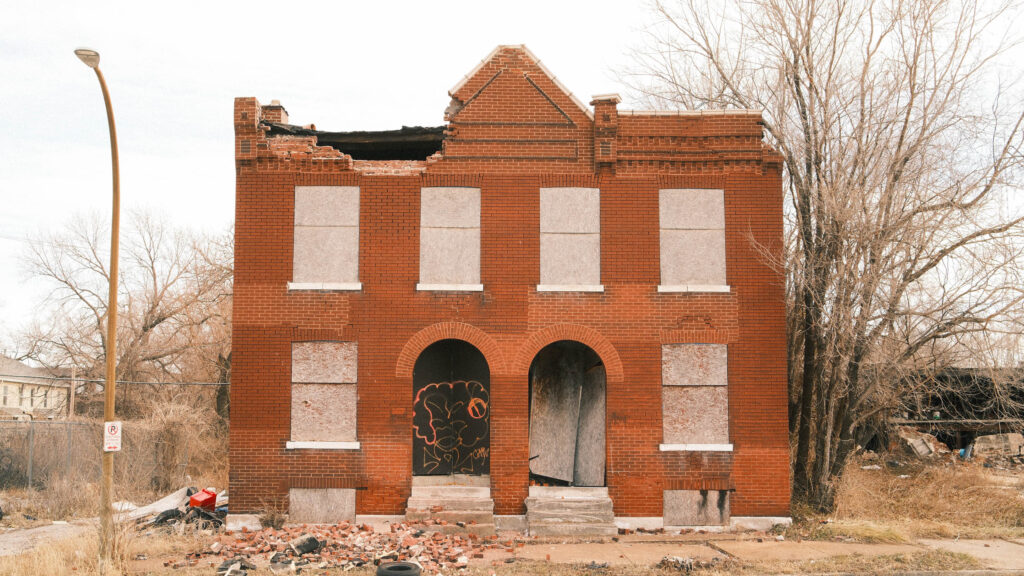
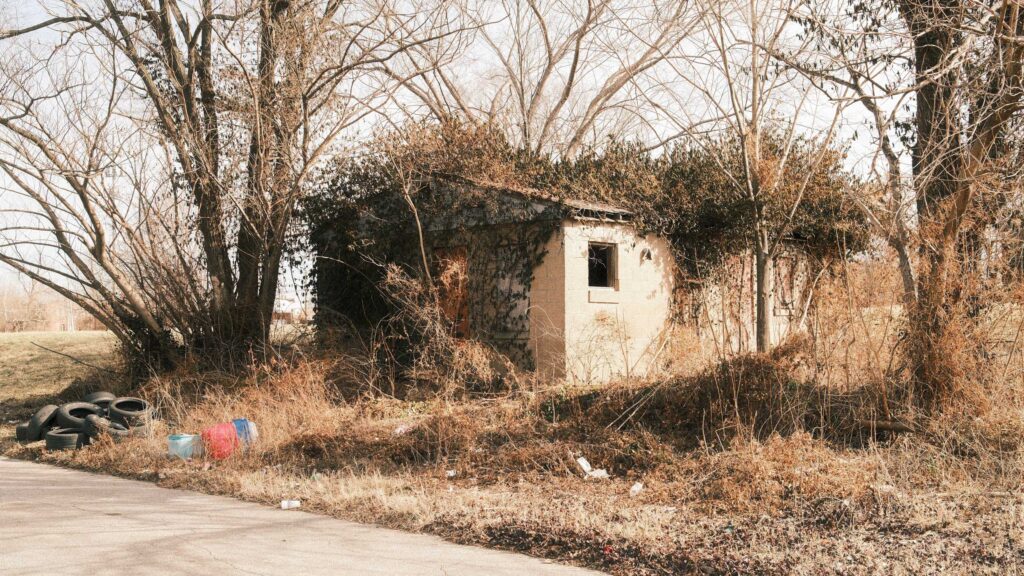
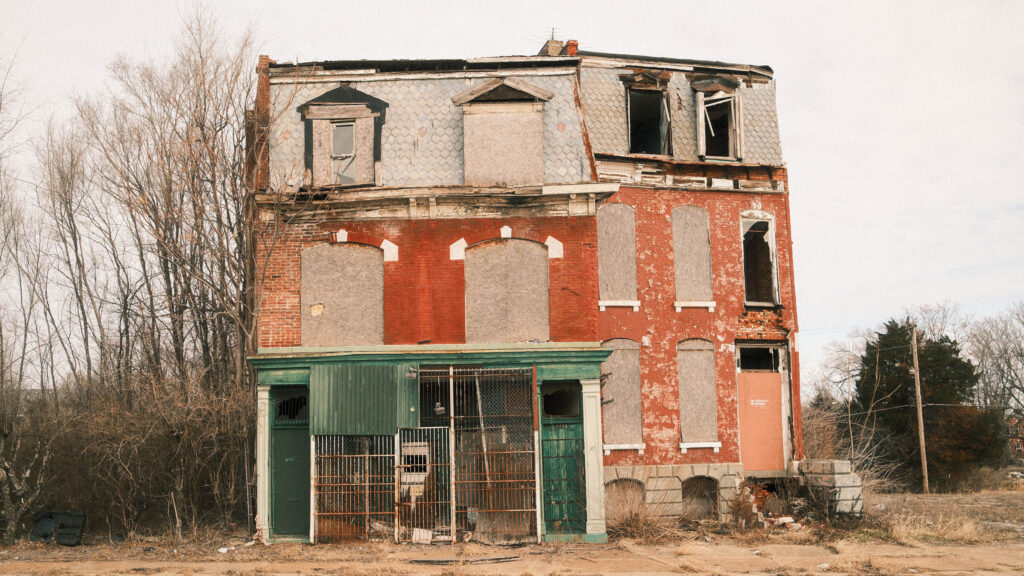
City officials described the move as a response to the fiscal, public safety, and development impacts of long-vacant properties, particularly in parts of north St. Louis where disinvestment has persisted despite major nearby investment. Spencer emphasized that the decision reflects growing pressure to address properties that have remained deteriorated for years, posing ongoing risks to surrounding residents and neighborhoods.
Why eminent domain now
The announcement follows unsuccessful negotiations between the city and developer Paul McKee, through his company NorthSide Regeneration. SLDC confirmed that the eminent domain process had previously begun, was paused to allow negotiations to continue, and is now being restarted after talks failed to reach a workable agreement. Officials framed the action as a deliberately limited first phase, shaped by available resources rather than an attempt at sweeping intervention.
According to prior reporting by the St. Louis Post-Dispatch, many NorthSide-owned properties are heavily encumbered by debt and liens, a factor that has made them difficult to redevelop and unattractive to other developers. City officials have pointed to this dynamic as one reason market forces alone have failed to unlock development in the area.
Land control near the NGA
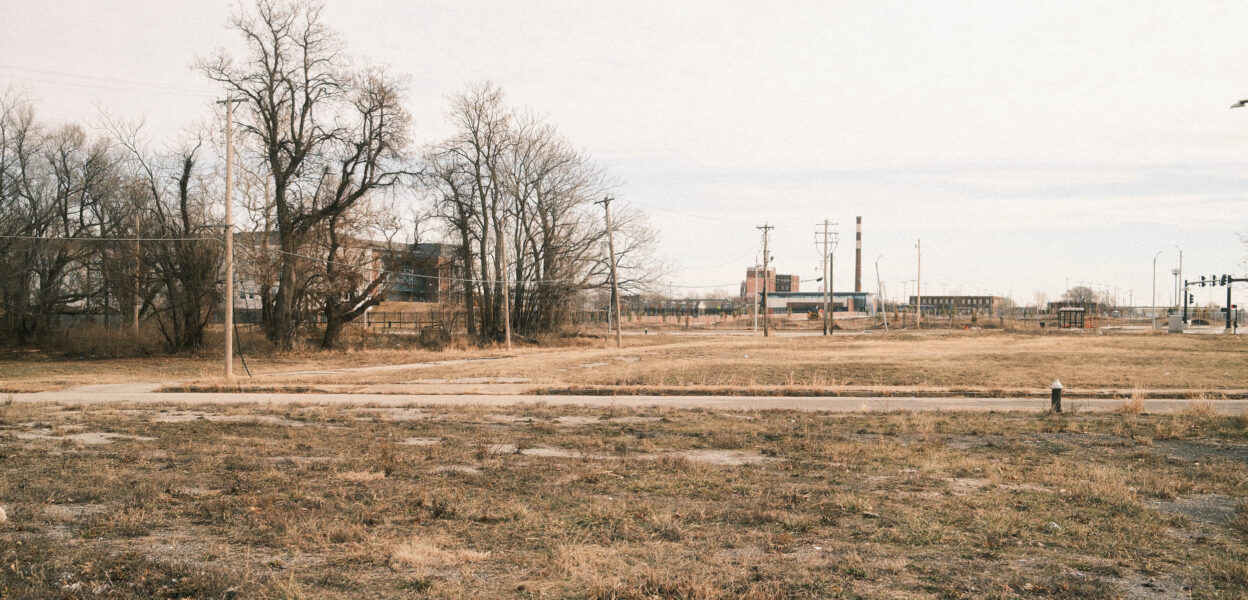
The parcels identified for eminent domain are located in the Jeff-Vander-Lou neighborhood, with most of them adjacent to the $1.75 billion National Geospatial-Intelligence Agency campus at Cass and Jefferson. St. Louis city officials have repeatedly pointed to this area as critical to determining whether the federal investment translates into broader neighborhood reinvestment or remains an isolated enclave.
NorthSide Regeneration controls roughly 1,600 properties totaling more than 200 acres in north St. Louis, including much of the land surrounding the NGA campus. There are few large, contiguous parcels near the federal complex not tied to NorthSide. City officials and outside observers have long argued that this fragmented ownership pattern, combined with years of inactivity, has made it difficult to attract developers capable of delivering projects at a meaningful scale.
By using eminent domain to assemble a smaller group of contiguous parcels, the city hopes to move past piecemeal development and create sites that are actually viable for new housing, neighborhood-serving retail, and other uses that benefit both existing residents and the growing workforce associated with the NGA.
A narrow tool with guardrails
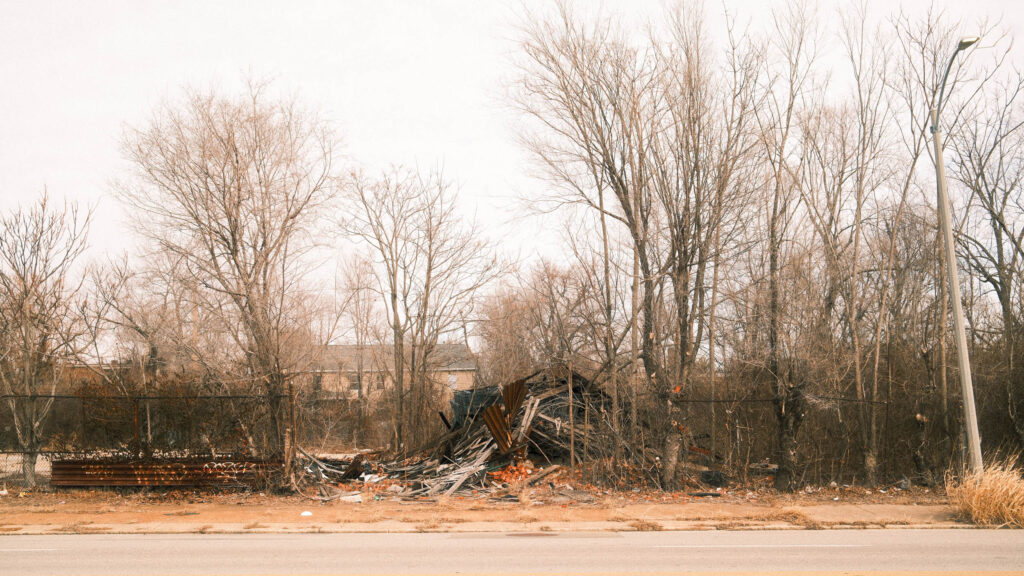
While St. Louis has long had the authority to use eminent domain, a 2024 ordinance created a more targeted framework specific to this area of north St. Louis. The legislation authorizes eminent domain only for dilapidated properties within a defined geography, explicitly exempts occupied homes, and was designed to address long-stalled redevelopment where existing tools had failed. City leaders have described it as a narrowly tailored response to a unique set of conditions, rather than a broad expansion of eminent domain powers citywide.
While the recent announcement to move forward with exercising eminent domain under that framework does not name NorthSide Regeneration directly, nearly all of the 89 parcels identified are owned by the company, reflecting the concentration of long-neglected properties in this area. City leaders also stressed that the decision to apply the ordinance was shaped by community input and intended to avoid the broad, displacement-driven use of eminent domain associated with past redevelopment efforts.
City officials emphasized that the intent is not land banking or large-scale property accumulation, but targeted intervention to unlock redevelopment where other approaches have failed. The action is also not intended for individual properties damaged by the May 2025 tornado.
Planning will proceed in phases based on available funding and capacity, with redevelopment priorities shaped in coordination with neighborhood organizations in Jeff-Vander-Lou and St. Louis Place. Aldridge and Spencer both underscored that this effort was driven by years of advocacy from residents who have lived next to collapsing structures, overgrown lots, and unsafe buildings, and that any future use of eminent domain beyond this initial set of parcels would be tied to clear redevelopment pathways, not indefinite public ownership.
Why this matters
The NGA campus is one of the largest public investments St. Louis has seen in decades, but the surrounding neighborhoods have seen little benefit. Fragmented ownership and years of disinvestment have left the city unable to convert a major federal anchor into new housing, retail, or neighborhood-scale growth.
By choosing to use eminent domain, the city is moving beyond enforcement and stalled negotiations toward direct land assembly. The outcome is far from guaranteed, but the stakes are clear: either this approach unlocks long-blocked development around the NGA, or the city risks allowing one of its most significant investments to remain isolated from the neighborhoods that need it most.
A photographic tour of properties subject to eminent domain.